[TULSA] Grant Strategy and AI: A Two-Day Intensive
Oklahoma Center for Nonprofits - Tulsa, Legacy Plaza
5330 East 31st Street Legacy Training Room Tulsa, OK 74135-5076
Build a stronger grant process, and learn how to use artificial intelligence to support it responsibly.
This hands-on, two-day intensive is designed for nonprofit professionals who want to approach grant work with greater strategy, structure, and confidence. Participants will move through the full grant development lifecycle: evaluating opportunities, assessing organizational readiness, planning the work, developing proposal narratives and budgets, and assembling competitive applications.
On Day 1, participants will build the foundational systems and skills needed to manage grant work effectively.
On Day 2, they will explore how artificial intelligence can support research, planning, drafting, editing, and quality review without compromising accuracy, authenticity, or organizational voice.
Through practical instruction, guided activities, and immediately applicable tools, participants will develop a repeatable grant workflow that reduces last-minute scrambling and supports stronger decision-making and proposal development.
This intensive is appropriate for nonprofit staff, executive directors, development professionals, program leaders, and others responsible for grant planning or proposal preparation. Participants do not need to be full-time grant writers or have prior experience using AI.
- A practical framework for evaluating and planning grant opportunities
- A clearer process for developing complete, competitive applications
- Tools for organizing narratives, budgets, attachments, and internal review
- A working understanding of responsible AI use in nonprofit grant development
- Prompting and evaluation strategies they can apply immediately
- A more structured, sustainable workflow for managing grant work
Need financial assistance for this course? Click here to apply for a partial scholarship!
Full participation in Grant Strategy and AI: A Two-Day Intensive is applicable for 12 points in Category 1.B -Education of the CFRE International application for initial certification and/or recertification.
Registration Options
|
Registration Options
|
Price |
|---|---|
|
2026-09-15 Grant Writing In-Person Member
Registration Ended 9/14/26 at 4:00 PM CDT
|
$360.00 |
|
2026-09-15 Grant Writing In-Person Nonmember
Registration Ended 9/14/26 at 4:00 PM CDT
|
$720.00 |
Grant Strategy Consultant
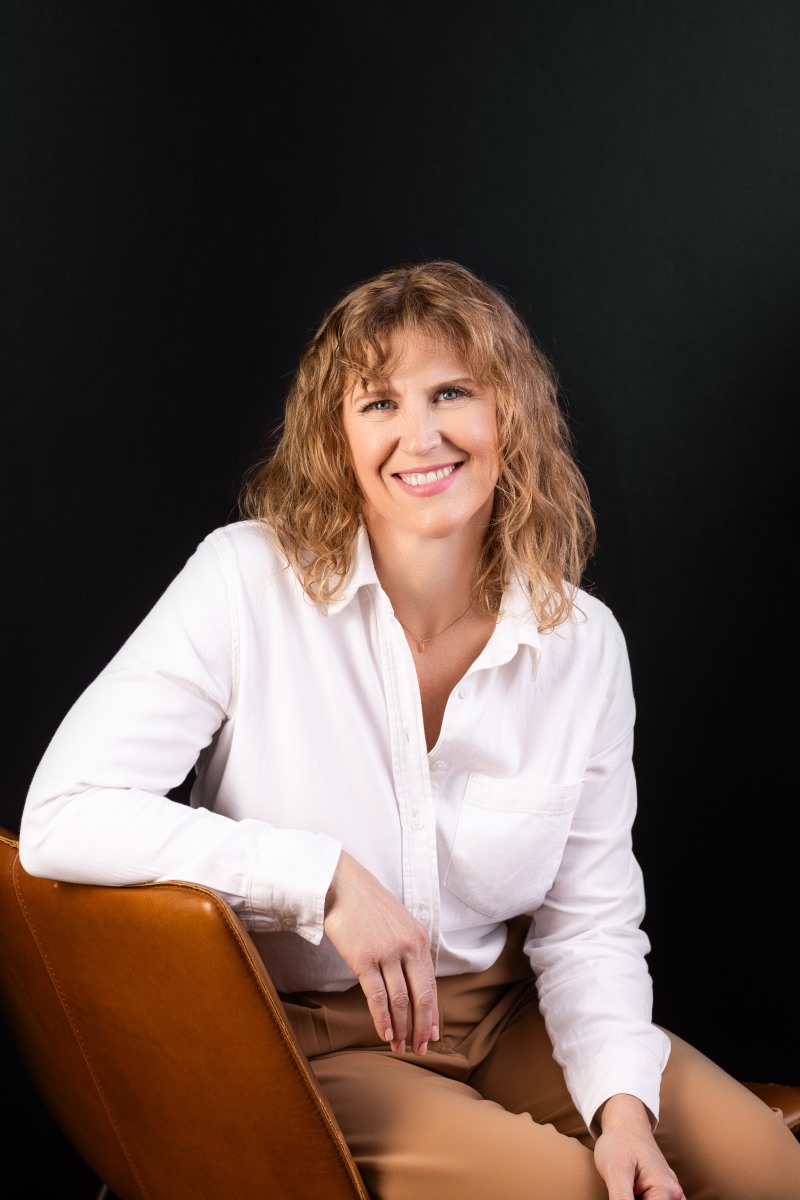
Julie Ann Ward, PhD, is a grant writing consultant who transforms nonprofit missions into funded realities. With over $1.34M secured in 2024 alone for workforce development, reentry programs, and education initiatives, she specializes in helping organizations navigate funding uncertainty through strategic, data-driven proposals.
Her unique expertise stems from a blend of academic rigor and creative storytelling. A PhD in Hispanic Languages and Literatures from UC Berkeley honed her ability to distill complex ideas into clear, compelling narratives—a skill she now applies to grant writing. As Norman, Oklahoma’s inaugural Poet Laureate and a published literary translator, she crafts proposals that resonate emotionally with funders while grounding them in logic and evidence.
Whether you’re pivoting from unstable government funding or scaling proven programs, Julie Ann offers the expertise to secure sustainable support. Let’s turn challenges into opportunities—one compelling proposal at a time.
Morning Session: The Grant Game Plan: Research, Relationships, and Readiness
Successful grant work begins before the application is written. This workshop introduces participants to a clear, repeatable framework for approaching grants strategically rather than reacting to every available opportunity.
Participants will examine grant fit, organizational readiness, timing, and internal capacity before committing to an application. They will also learn how to create a manageable workflow that clarifies responsibilities, identifies needed information, and reduces last-minute proposal development.
This session is ideal for organizations seeking a structured starting point or a more sustainable approach to managing grant opportunities.
Participants will learn how to:
- Evaluate whether a funding opportunity is a strong fit
- Make informed go/no-go decisions before investing significant time
- Assess organizational capacity and readiness
- Identify the people, information, and materials needed for an application
- Develop a practical grant planning workflow
- Reduce reactive grant writing and prevent avoidable deadline pressure
Afternoon Session: From Draft to Done: Crafting Complete, Compelling Grant Proposals
Once an organization decides to pursue an opportunity, the work shifts from planning to proposal development. This workshop guides participants through the process of turning program information, organizational data, and funder requirements into a complete and compelling application.
Participants will learn how to organize proposal content, write a persuasive needs statement, explain program activities clearly, articulate meaningful outcomes, and connect the narrative to a realistic budget. The session will also address supporting documents, internal review, and final submission preparation.
The emphasis is not simply on writing well, but on developing an application that is clear, credible, complete, and responsive to the funder’s priorities.
Participants will learn how to:
- Break application requirements into manageable proposal components
- Develop clear and persuasive needs statements
- Describe programs in specific, funder-ready language
- Distinguish between activities, outputs, outcomes, and impact
- Build alignment between the proposal narrative and budget
- Prepare common attachments and supporting materials
- Review an application for completeness, clarity, and competitiveness
Morning Session: AI & the Art of Grant Writing: Tools, Ethics, and Mission Fit
Participants will explore how AI can assist with brainstorming, outlining, drafting, revising, summarizing, and editing while maintaining organizational authenticity and mission alignment. The session will also address common risks, including inaccurate information, generic writing, confidentiality concerns, overreliance on generated content, and the loss of an organization’s distinctive voice.
Participants will leave with a clearer understanding of what AI does well, where human judgment remains essential, and how to use these tools ethically and effectively.
Participants will learn how to:
- Identify appropriate and inappropriate uses of AI in grant writing
- Use AI to brainstorm, organize, draft, and refine proposal content
- Write clearer prompts that produce more useful results
- Recognize inaccurate, generic, or unsupported AI-generated material
- Protect confidential and sensitive organizational information
- Maintain organizational voice, authenticity, and mission alignment
- Apply ethical standards and professional judgment when using AI
Afternoon Session: The AI-Supported Grant Workflow: From Research to Review
Grant development is complex, iterative work that requires coordination, analysis, writing, and review. This workshop moves beyond isolated AI tasks to show participants how AI can be incorporated strategically across the full grant lifecycle.
Participants will explore applications of AI in prospect research, opportunity analysis, project planning, content development, budget support, editing, compliance review, and post-submission knowledge management. They will practice prompting techniques, learn how to provide AI with useful context, and develop methods for evaluating and improving generated content.
The focus is on using AI to strengthen organization and proposal quality, not simply to produce text faster. Participants will learn how to combine AI assistance with subject-matter expertise, source documentation, and careful human review.
Participants will learn how to:
- Map AI tools to different stages of the grant lifecycle
- Use AI to analyze funding guidelines and organize requirements
- Develop prompts that incorporate funder priorities and organizational context
- Build and refine proposal content through an iterative process
- Evaluate generated material for accuracy, specificity, and alignment
- Use AI to support editing, consistency checks, and final review
- Create a repeatable AI-supported workflow that preserves human oversight
AFP Oklahoma
The Association of Fundraising Professionals (AFP) Oklahoma Chapter promotes ethical and effective fundraising by empowering individuals and organizations through education, resources, credentialing, networking, mentoring, advocacy, and recognition. Since 1980, the chapter has served the Oklahoma City metro, Oklahoma County, and surrounding areas, currently standing at 160 members. Known for its high-quality monthly luncheons and signature events like National Philanthropy Day, AFP Oklahoma is a thriving, mid-size chapter committed to advancing philanthropy in the region. Find out more on our website: afpoklahoma.org
The CFRE Credential Program
CFRE stands for "Certified Fundraising Executive." Administered by CFRE International, the CFRE credential demonstrates your professional achievement and commitment to the fundraising profession. This is achieved through mastery of core knowledge and skills required of fundraising professionals with at least three years of experience. Members of AFP receive a discount on CFRE initial certification and recertification fees. Find out more about the credential at cfre.org or reach out to the AFP Oklahoma CFRE Chair, Cassidy Johnson at afpoklahoma@gmail.com.
Difference between CFRE and CFRM
CFRE is a professional certification that validates experience and commitment to the field, while CFRM is a program that provides focused training and education in fundraising management. CFRE, administered by CFRE International, requires meeting specific experience requirements (including 3 years of fundraising experience), passing an exam, and adhering to a code of ethics. CFRM focuses on developing expertise in key areas like donor relations, ethical fundraising, and financial stewardship and is a training program offered by the Lilly Family School of Philanthropy at Indiana University.
For More Information: